
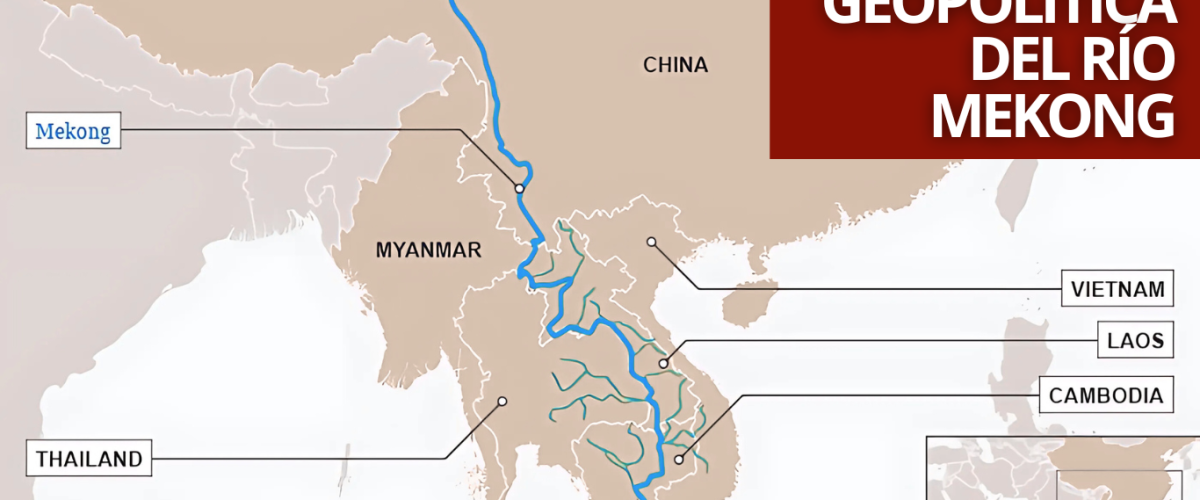
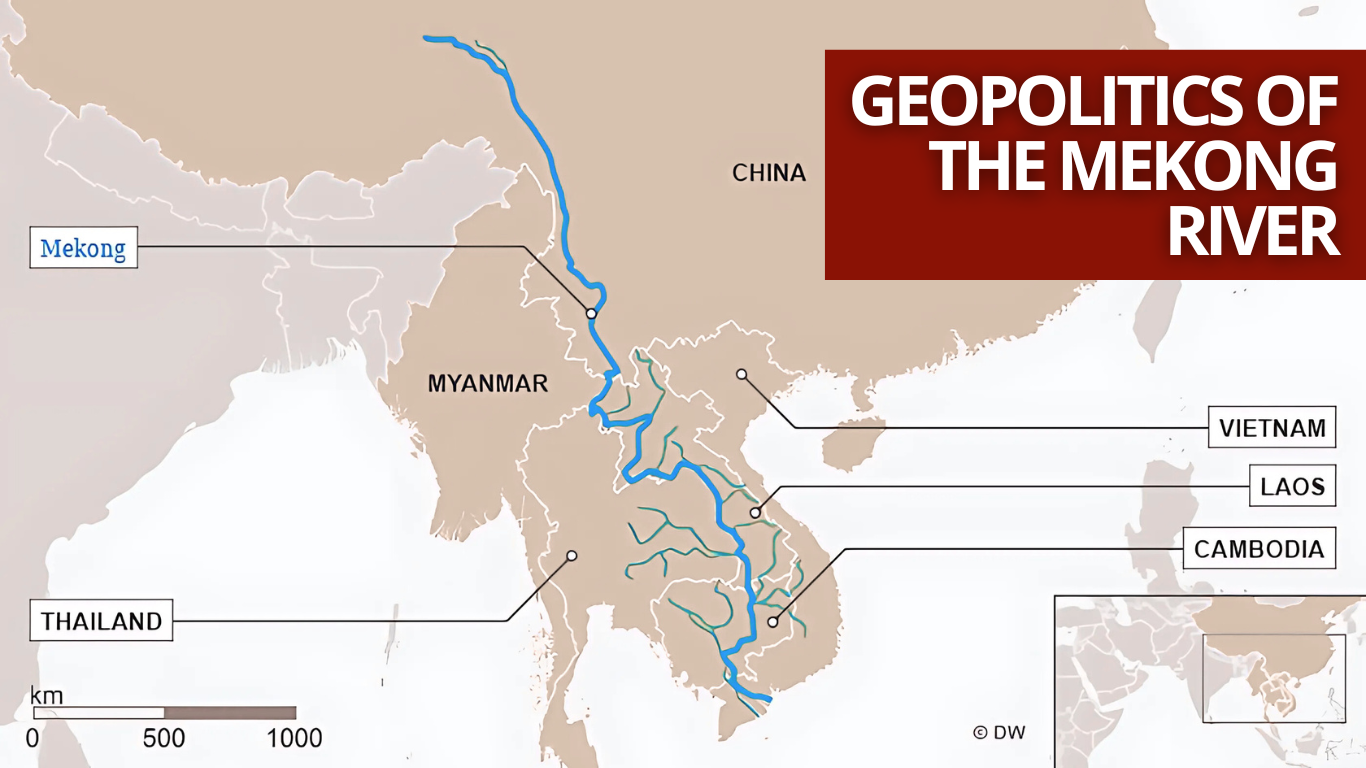
The river that beats at the heart of Southeast Asia
The Mekong River originates in the mountains of Tibet and, after traveling more than 4,300 kilometers, flows into the South China Sea. Along the way, it crosses six countries and touches the lives of more than 70 million people.
It is not just a river: it is a cultural backbone that has marked trade routes, been the setting for ancient myths, and continues to be a source of life for millions of families.
Those who travel to Southeast Asia discover that the Mekong is not a landscape to be observed: it is an experience to be lived. On its banks, temples rise, diverse languages are heard, and stories that have been passed down for generations are shared.
The Mekong in Thailand: natural border and cultural bridge
In Thailand, the Mekong winds along the border with Laos, creating a fertile and vibrant strip of land in the Isan region. This area is one of the most authentic and least touristy in the country, where the river sets the pace of daily life.
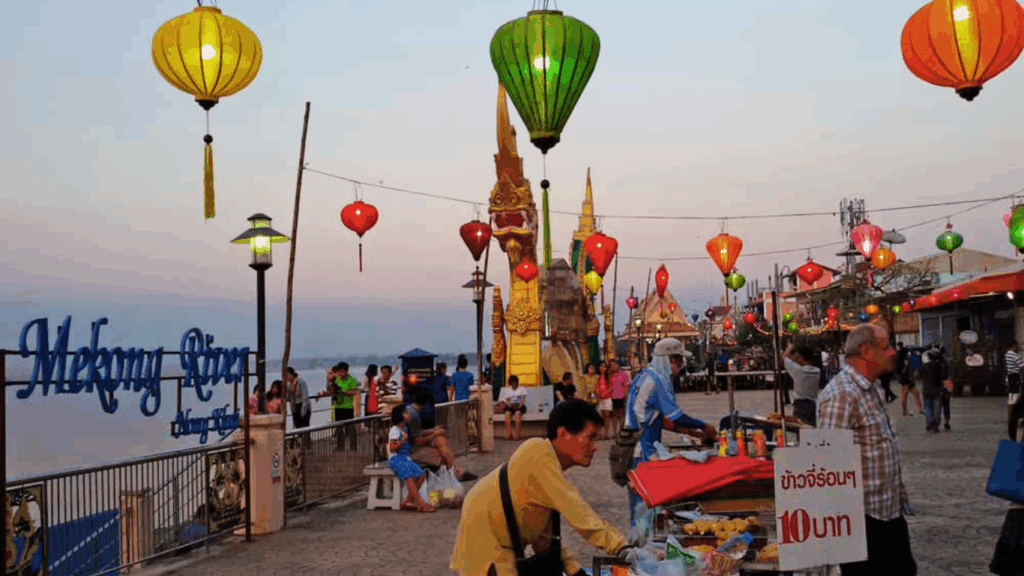
In cities such as Nong Khai, the Mekong is the star of night markets where people stroll at sunset, sample typical dishes such as som tam, or gaze at the lights of Laos across the river. Further south, in Nakhon Phanom, the Mekong offers spectacular scenery with views of Mount Phou Hin Bun in Laos, while Thai villages celebrate traditional festivals linked to water and spirituality.
Traveling along this stretch means encountering the most hospitable side of Thailand, where the Mekong serves as a bridge between cultures: Thai and Laotian, Buddhist and animist, rural and modern.
Stories and experiences on its banks
The Mekong is much more than a picture-postcard landscape: it is a living stage.
- In Laos, riverside villages maintain a spiritual relationship with the river, which they consider a protective being.
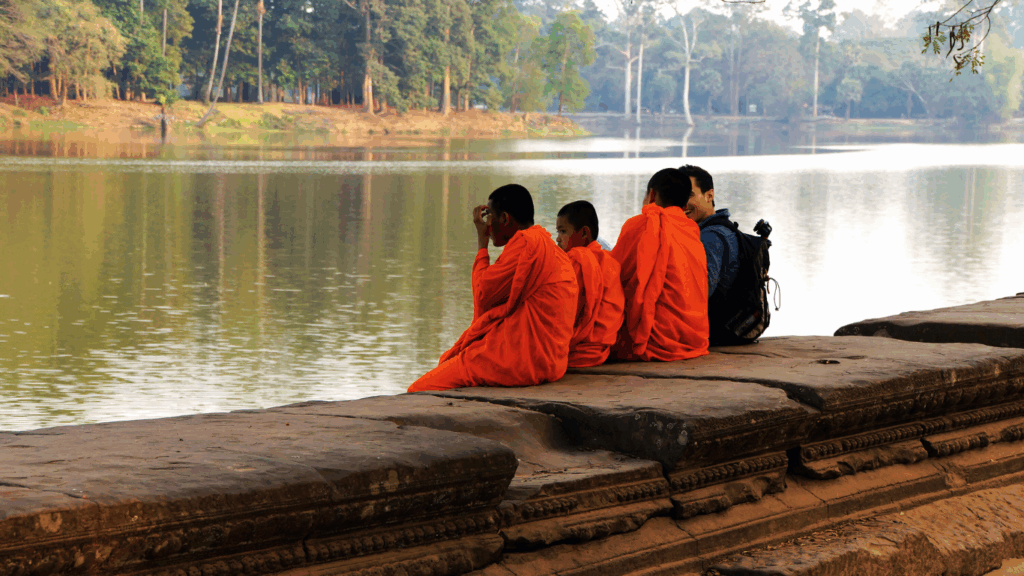
- In Cambodia, the Mekong blends with the grandeur of Phnom Penh, where monks walk along its banks at dawn.
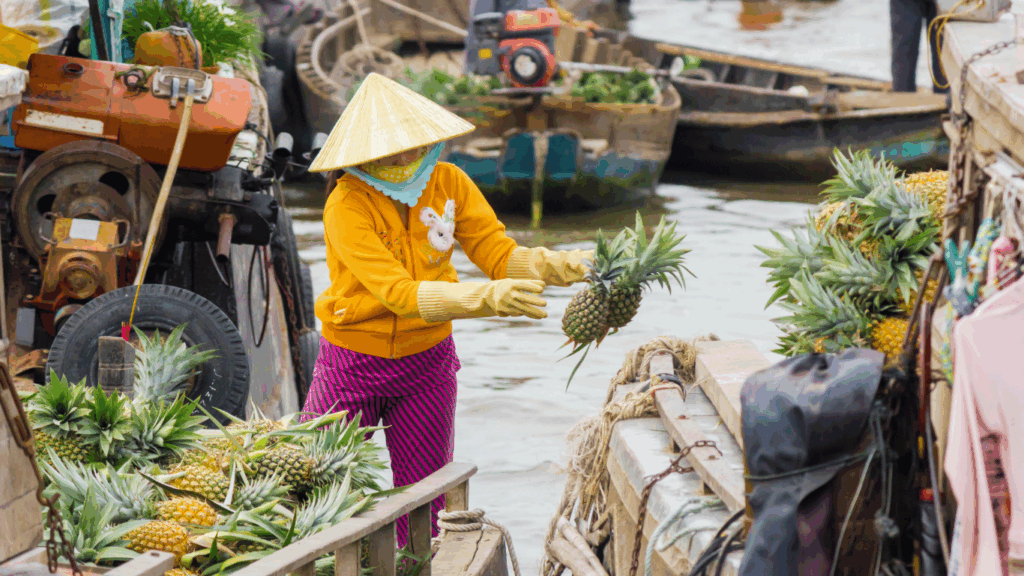
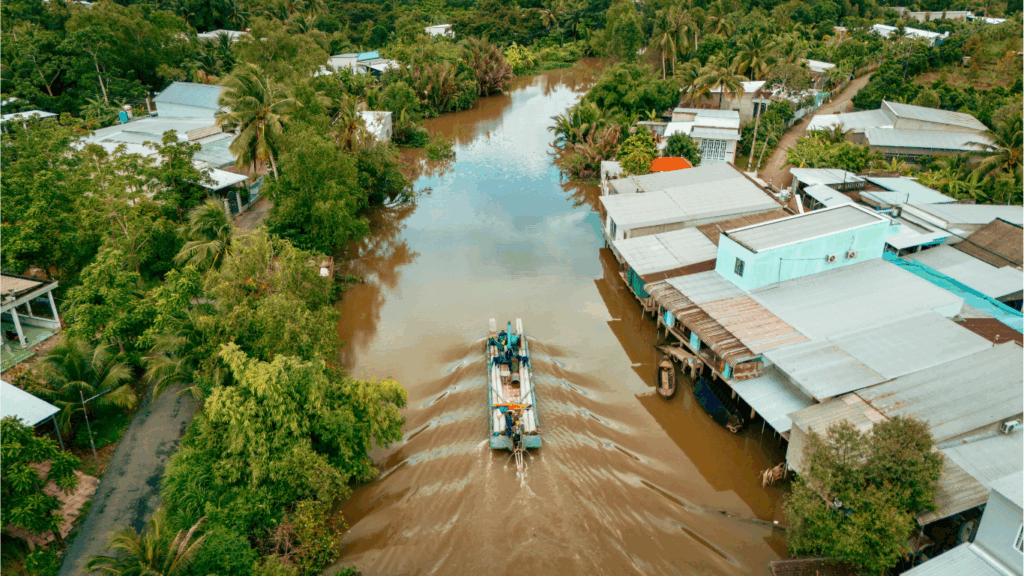
- In Vietnam, the Mekong Delta transforms into a mosaic of canals, rice fields, and floating markets where life revolves around water.
Each stretch of the Mekong offers a different experience, but they all share a common thread: the river is the basis of daily life, cuisine, religion, and cultural identity in the region.
Experiences that leave their mark on travelers
With Asian Spirit, the Mekong is not just a name on a map: it is an invitation to experience unique moments.
- Take a sunset boat ride in Nong Khai and watch the sun bathe the river in golden hues.
- Discover floating markets in the Mekong Delta in Vietnam, where boats become street stalls filled with tropical fruits.
- Visiting riverside villages in Laos, where time seems to stand still and local hospitality is part of the journey.
- Festivals in Thailand, such as the Naga Fireballs Festival, a mystical phenomenon in which fireballs emerge from the Mekong every October.
A river that unites and transforms
The Mekong is witness to how Southeast Asia is transforming: it combines ancient traditions with the modernity of a connected world. For the traveler, it represents the most human side of the journey: the smile of a fisherman, the aroma of a street market, the spirituality of a Buddhist ritual by the river.
Traveling to the Mekong is not just about contemplating a river: it is about feeling how cultures intertwine in a shared space, where each current carries with it stories of the past and future.
The Mekong knows no borders: it unites them. It unites cultures, traditions, and travelers seeking more than just a tourist destination.
In Thailand and the rest of Southeast Asia, it remains a reminder that water is life, and that behind every journey there is an invisible thread connecting people and places.
Are you ready to let yourself be carried away by its waters?
 English
  Spanish