
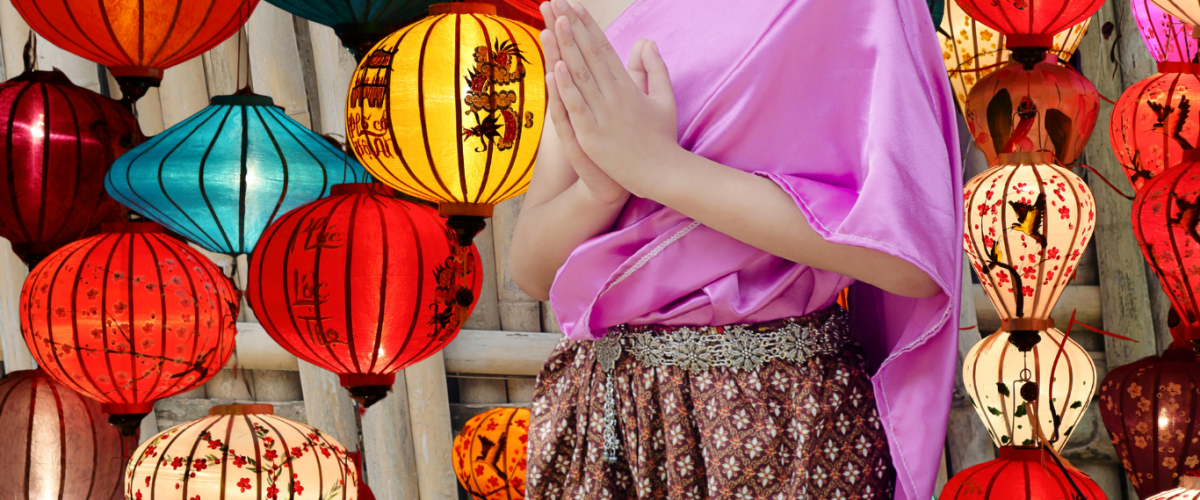
Superstitions of Southeast Asia: traditions that are still alive today
Southeast Asia is a cultural mosaic where spirituality, ancestral customs, and everyday life coexist in a unique way. Beyond temples, markets, and beaches, there is a universe of deeply rooted beliefs that influence daily decisions, celebrations, and even the way people relate to each other.
At Asian Spirit, we accompany our travelers to discover not only destinations, but also the cultural essence that makes them special. Today we explore some superstitions that are still very much alive in the region.
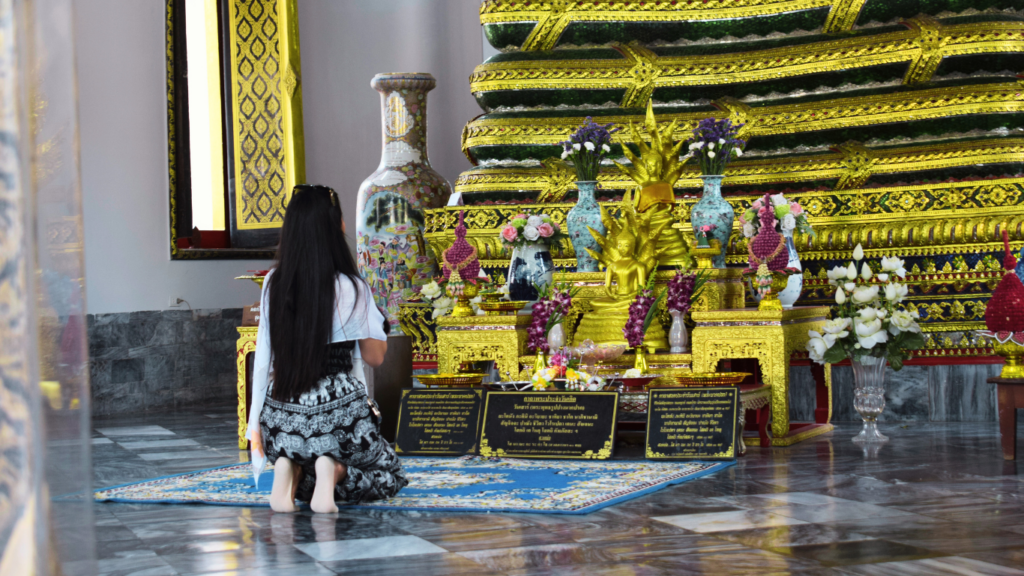
The importance of the first customer
In countries such as Thailand, Vietnam, and Laos, the first customer of the day sets the tone for the entire day.
If they buy without haggling, it is considered a good omen: it will attract more sales and good fortune.
On the contrary, if that first person leaves without buying anything, it is seen as a bad omen for the rest of the day.
Many sellers even perform small rituals to attract that “first lucky customer.”
Vietnam: beliefs surrounding Tết, the Lunar New Year
Tết is the most important celebration of the year in Vietnam, and with it come very strict rituals for good fortune.
Do not sweep on the first day
Sweeping or throwing away trash on the first day of Tết is prohibited, as it is believed to “drive away” the luck and prosperity accumulated for the new cycle.
Xông đất: the person who brings good luck
The first person to enter the house after midnight is key.
This visitor should be someone who is successful, kind, and has good energy, as it is believed that they will influence the family's luck throughout the year.
For this reason, many families choose this person very carefully or even wait for a “lucky” guest to be the first to walk through the door.
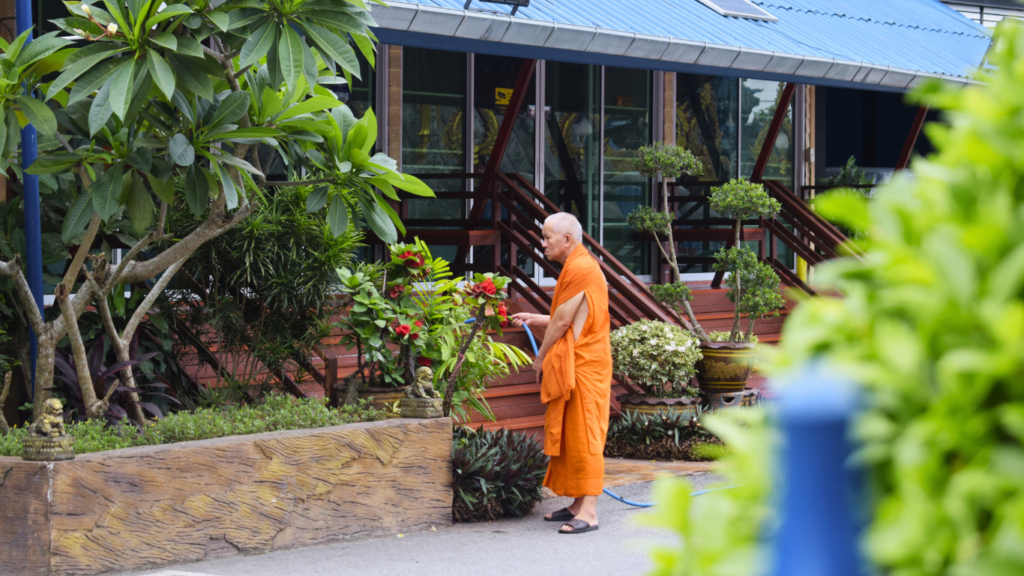
Number 4: between bad luck and good luck
In Vietnam—and much of East Asia—the number 4 is avoided because its pronunciation is similar to the word “death.”
It is common for buildings to omit the number from floors, rooms, or doors.
However, in Cambodia, the perception is completely different.
In Khmer culture, even numbers (2, 4, 6) are considered lucky and are used in ceremonies, weddings, and rituals.
The number 9, associated with prosperity, is especially positive.
Thailand: your birth color and day
One of the most deeply rooted beliefs in Thailand is the association between the day of the week you were born and a specific color that marks your personality and luck.
- Monday → Yellow
- Tuesday → Pink
- Wednesday → Green
- Thursday → Orange
- Friday → Blue
- Saturday → Purple
- Sunday → Red
Many Thais consult these colors at key moments, such as business openings, important events, or even when choosing what to wear on special days.
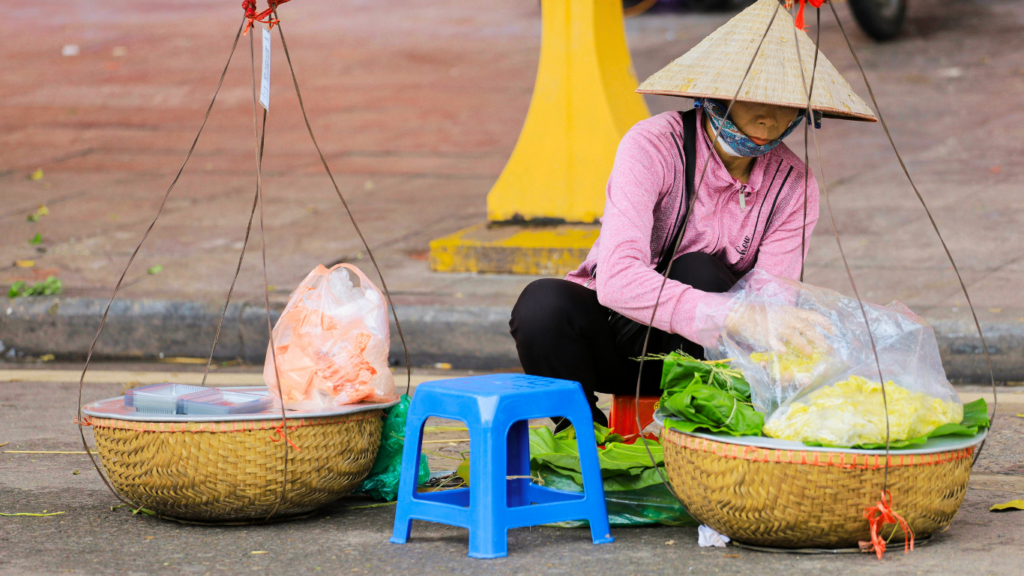
The Sacred Threshold: Cambodia, Laos, and Thailand
In several countries in the region, it is considered disrespectful—and even a bad omen—to step on the threshold of a house or temple.
According to tradition, this is where the guardian spirits of the home dwell.
To cross the threshold correctly, one must lift one's foot slightly and avoid touching this strip of the entrance.
Laos: the direction you sleep in matters
In Laotian Buddhist tradition, sleeping with your head pointing west brings bad luck, as this direction is associated with death and funeral ceremonies.
For this reason, many families orient their beds according to spiritual principles rather than purely practical ones.
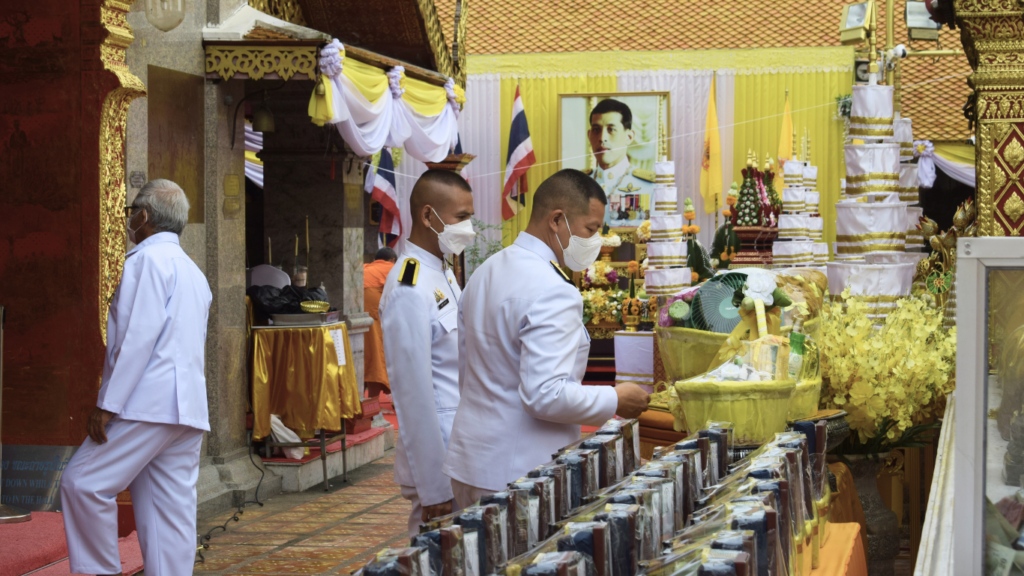
A journey through beliefs
The superstitions of Southeast Asia are more than just curious customs: they are windows into the history, spirituality, and cultural sensibilities of the region.
Understanding them allows travelers to connect more authentically with local communities.
At Asian Spirit, we believe that traveling is also about discovering what doesn't appear in guidebooks: beliefs, customs, and traditions that bring each destination to life.
 English
  Spanish